



New York State Concedes Catholic Plaintiffs Are Not Subject to Abortion Mandate
By: The Good Newsroom
Twice, the U.S. Supreme Court ordered the state to reconsider the case in light of precedents that made it increasingly difficult for the state to maintain its argument
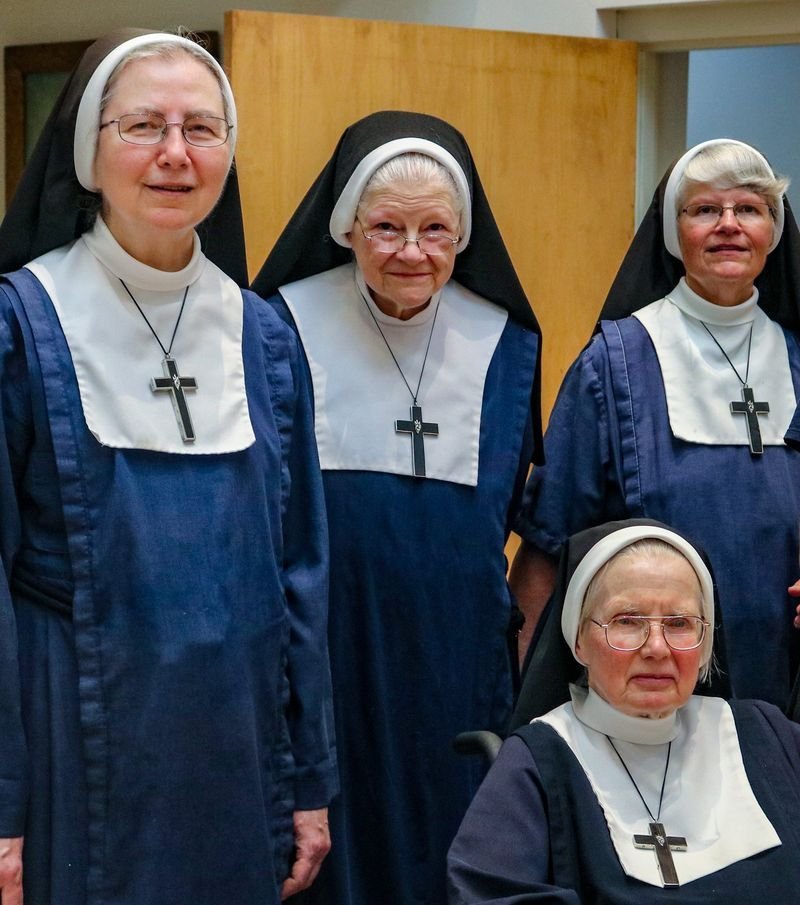
After a decade of litigation regarding abortion insurance coverage, the State of New York has finally conceded that Catholic and other religious plaintiffs in the case are indeed religious employers eligible for a religious exemption. The case involved a narrowly drawn religious exemption that plaintiffs charged infringed on their state and federal constitutional rights of religious liberty. The exemption included a four-part test that employers had to meet in order to qualify, including serving and employing only members of the same faith. Since Catholic and other religious ministries typically serve and employ people of all faiths, they were automatically excluded.
The case has twice reached the U.S. Supreme Court, which in both cases vacated the state court rulings and remanded it back to state court for reconsideration in light of recent Supreme Court precedents. The case was due to be re-argued before the New York State Court of Appeals when a settlement was reached, in which the state recognized the remaining plaintiffs as religious employers eligible for exemption.
Following is a statement by Dennis Poust, executive director of the New York State Catholic Conference, which was deeply involved in the case:
“The stipulation agreement agreed to by the Attorney General and the plaintiffs in the case is an important victory for religious liberty. The state’s claim that Catholic dioceses, Catholic Charities ministries, a Baptist Church, an order of Episcopal nuns, and other plaintiffs were not ‘religious’ was always farcical on its face, and the state court decisions supporting the state made no sense. Twice, the U.S. Supreme Court ordered the state to reconsider the case in light of precedents that made it increasingly difficult for the state to maintain its argument. We are grateful that the state has finally seen reason and agreed to the obvious: The religious plaintiffs are clearly religious employers eligible for the religious exemption in the state mandate.
“We are very grateful for the pro-bono work of the attorneys on our team, including lead counsel Michael Costello and his firm Tobin & Dempf, as well as the religious liberty firms Jones Day and the Becket Fund for Religious Liberty.”
The Catholic plaintiffs in the case, who are now recognized as religious employers eligible for the exemption, are:
- Diocese of Albany
- Diocese of Ogdensburg
- Catholic Charities of the Diocese of Ogdensburg
- St. Gregory the Great Church in Amherst
- Teresian House Nursing Home Co. (Albany)
- Teresian House Housing Corp. (Albany)
- DePaul Housing Management Corp. (Albany)
Another Catholic plaintiff, Catholic Charities of the Diocese of Brooklyn, was dismissed from the case because they have created a self-insurance plan not subject to state regulation, mooting their case. The plaintiff pool also included Lutheran, Baptist, and Episcopal Church entities.
The signed stipulation agreement can be found here.