



Holy Homework: Collegians Giving Thanks in 2026
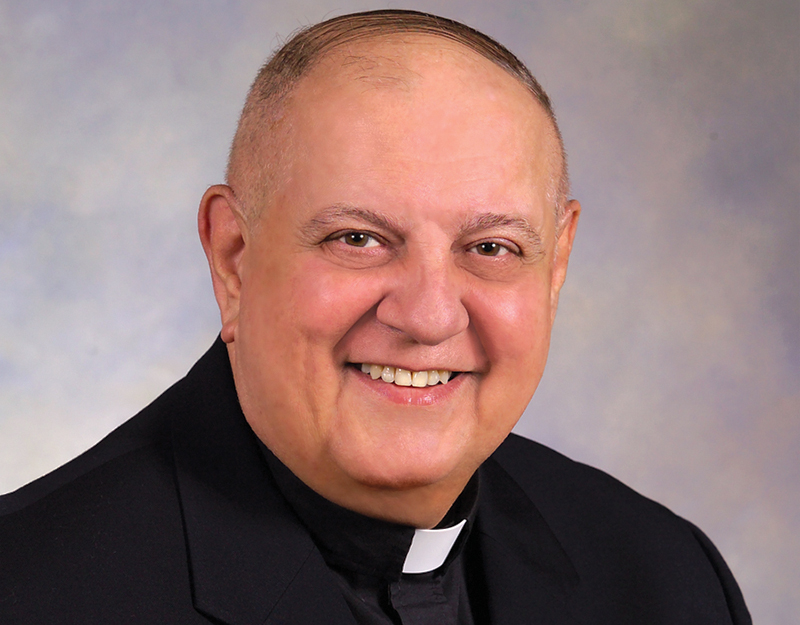
By: Father Bob Pagliari, C.SS.R., PH.D.
Let’s take a closer look at what our young adults say makes them fearful and happy
In a midsize Catholic university, a recent informal survey provided a revealing glimpse into what college students are most thankful for in 2026. The three questions asked were straightforward. While their answers may not be surprising, some of the implications may raise an eyebrow of surprise for parents or a furrowed brow of concern for the general population of adults.
The first question students were asked was to name the top three items they will be most grateful for during this year’s Thanksgiving celebration. Next they were asked to name one thing that college students fear most. Lastly they were asked to specify what makes most collegians happy.
What are college students most thankful for this year?
The top 10 answers garnered 92% of the votes. The leading four answers in rank order were: family, friends, money, and cell phones. The fifth and sixth places were tied between food and education. The remaining answers were a four-way tie: cars, clothes, health, and opportunity. God did make the list but ranked last with only one mention.
What are college students afraid of these days?
When asked what collegians fear most, the top five answers were: failing grades, losing family members or friends, being unsuccessful and unemployed in the future and therefore living in poverty. Other fears included not completing goals, being isolated, being judged by others, and struggling to grow up while being a disappointment to their parents.
What makes collegians happy?
Finally, when asked what makes college students happy in 2026, the 10 most popular answers were money, loved ones, friends, freedom, stability, success, good grades, cell phones, partying, and shopping.
From a spiritual standpoint, one might easily conclude that many of our young people still have a way to go before their egocentric viewpoint will diminish enough to allow maturity to flourish. Others may not be at all surprised to learn that students are stressed at the thought of receiving poor grades, but wonder why anxieties like losing family members, feeling isolated, and resisting the idea of growing up should even occur to young adults in the first place. No doubt the “happiness” stimuli mentioned by 18- to 21-year-olds probably come as no surprise to elders; particularly money, phones, friends, freedom, and parties.
Holy Homework:
Let’s take a closer look at what our young adults say makes them fearful and happy. Are any items out of place and shouldn’t be there? Are there any virtues missing that we wish had been mentioned? Any thoughts about why God barely made the Thanksgiving list at all? What does this tell us about our current society, family values, and the future of our Catholic faith for the next generation?
Comments may be sent to FatherBobPagliari@Yahoo.com